
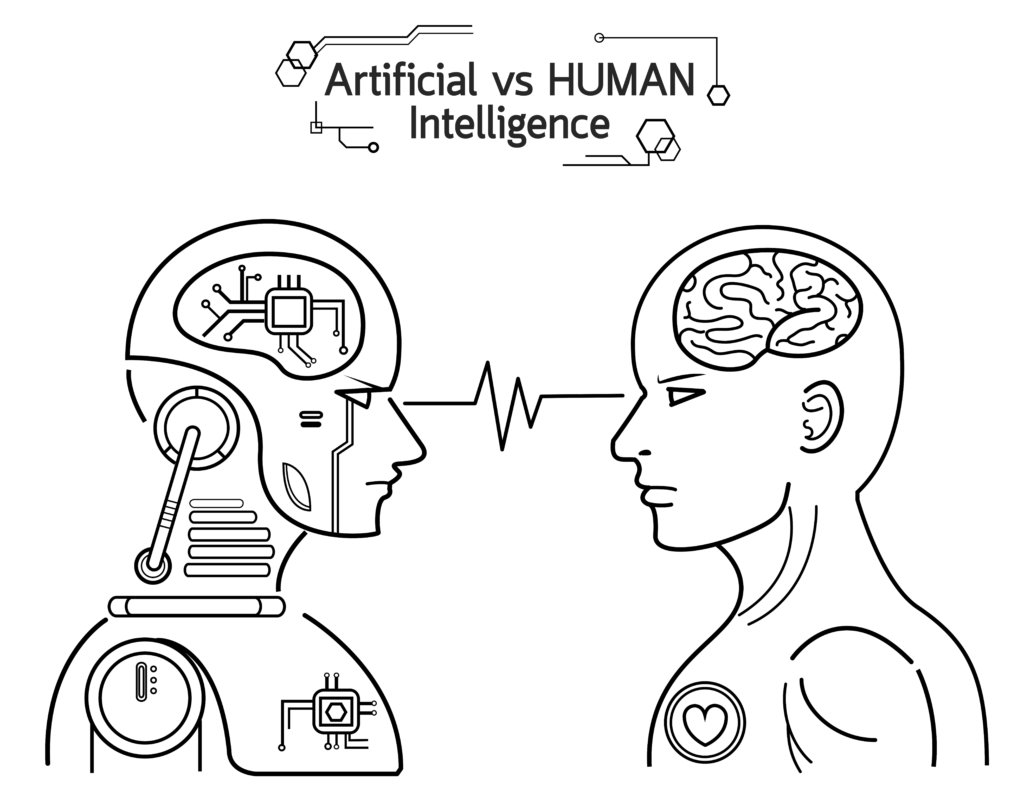
Have you paid attention lately to how much news you get from your social media feeds and wondered how much of it might be controlled or generated by AI, or artificial intelligence? In a digital era packed with deliberately inflammatory posts made by bots, automated systems, Large Language Models (LLMs), and hidden influencers, the question of who and what you trust and why you trust it matters more than ever.
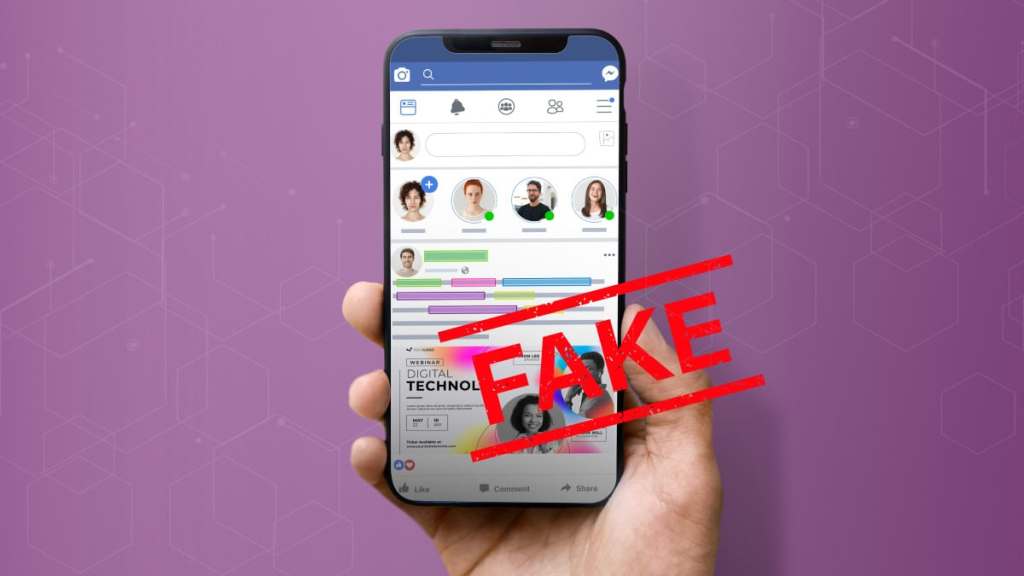
According to the canvassing of experts by Pew Research Center and the Imagining the Internet Center (led by Janna Anderson and Lee Rainie), artificial intelligence and autonomous systems are quickly becoming deeply woven into online life. They have found their way into the deepest recesses of our day-to-day routines, and LLMs have even begun to find their way into our personal electronic devices. From opaque social media algorithms that control your news feed to bots that can mimic human profiles, many experts see both opportunity and threat. They point out that, by 2035, these tools may dominate tech-aided decision-making in everyday life, potentially reducing human control over what ideas we hear, what we believe and what choices we make (Pew Research Center, 2023). This is a concerning development, and raises many questions about the vast quantities of information we consume on a daily basis.
In a world where AI bots are on pace to outnumber humans, distinguishing genuine posts from purposefully manipulated ones becomes central to preserving our ability to make choices based on truth rather than manipulation. The Pew report notes that digital systems will supply ever-larger volumes of information and may shape what we believe to be facts (Pew Research Center, 2023). That trend puts pressure on our autonomy: if we cannot trust the stream of information that underpins our choices, our sense of agency becomes limited, not empowered. Mark Fabian, an assistant professor at the University of Warwick has raised concerns about this subject as well . In his article “The Coalescence of Being: A Model of the Self-Actualisation Process” he argues that authentic agency flourishes when we combine our actual self-image, our ideal self and the self we believe we ought to be (IDEAS/RePEc, 2020). When the information we rely on is muddy or manipulated, that harmonization becomes immeasurably more difficult. Your choices might drift away from who you are and who you intend to become. Fabian outlines a somewhat linear process: you act, you observe your action in light of how it aligns with the person you view yourself as, you reflect and you recalibrate accordingly. Authentic agency is an ongoing loop; but if the very input (news, signals, narratives) that feeds your reflection is shaped by hidden bots or agendas, then your loop may lead into distortion rather than growth. The risk here is not just making bad choices; it’s that you believe you are making choices based on your own uncompromised free will while you are being actively influenced without your knowledge, perhaps towards a decision or action you otherwise might not have considered.
So what does this mean in practical terms? The artform of human agency in the age of digital influence lies in two co-dependant tasks. First, seize responsibility! Treat your choices as authentic choices made by your will alone, and monitor whether your internal narrative aligns with your values and aspirations. Second, critically evaluate all information. Never assume the information you consume, regardless of source, is neutral or human-made. Ask critical questions such as: whether the source is trustworthy, whether there could be hidden AI influence, or whether the narrative supports someone else’s agenda. Human agency has not been disallowed by big tech or AI, but it is certainly made much more difficult by them. Remember, these companies have a vested financial interest in influencing you in one way or another. When you choose consciously, evaluate sources intentionally, and reflect prudently, you move from being acted upon to being the actor itself.
Human agency remains viable and present, but it requires more effort in this era of digital interference. It requires you to integrate personal meaning with autonomy under highly uncertain conditions. The choice you make about how you process information, how you interpret your feed, how you act on what you believe: this is where genuine human agency appears.
 Human Agency And Decision Making: An Introspective Blog
Leave a comment